
A Transformative Company
The Hidden Architects of a Nation: Tradition, Religion, and Policy
Have you ever wondered why some nations thrive while others struggle to find their footing decade after decade?
It’s not luck.
It’s not magic.
It’s not even just leadership.
It’s something deeper, something often overlooked, especially by underdeveloped nations:
The invisible forces of Tradition, Religion, and Policy (TRP).
These three forces are the silent managers of how societies think, feel, and act. They shape our mindset. They build our character. They define our attitude. They manage our decision-making.
The quality of these three forces will either build a thriving nation or anchor it in confusion.
“ Nations do not fail by fate, they fail by the forces they refuse to manage, tradition, religion, and policy. Until these are redefined, progress remain a myth."
S. Olamilekan Isreal
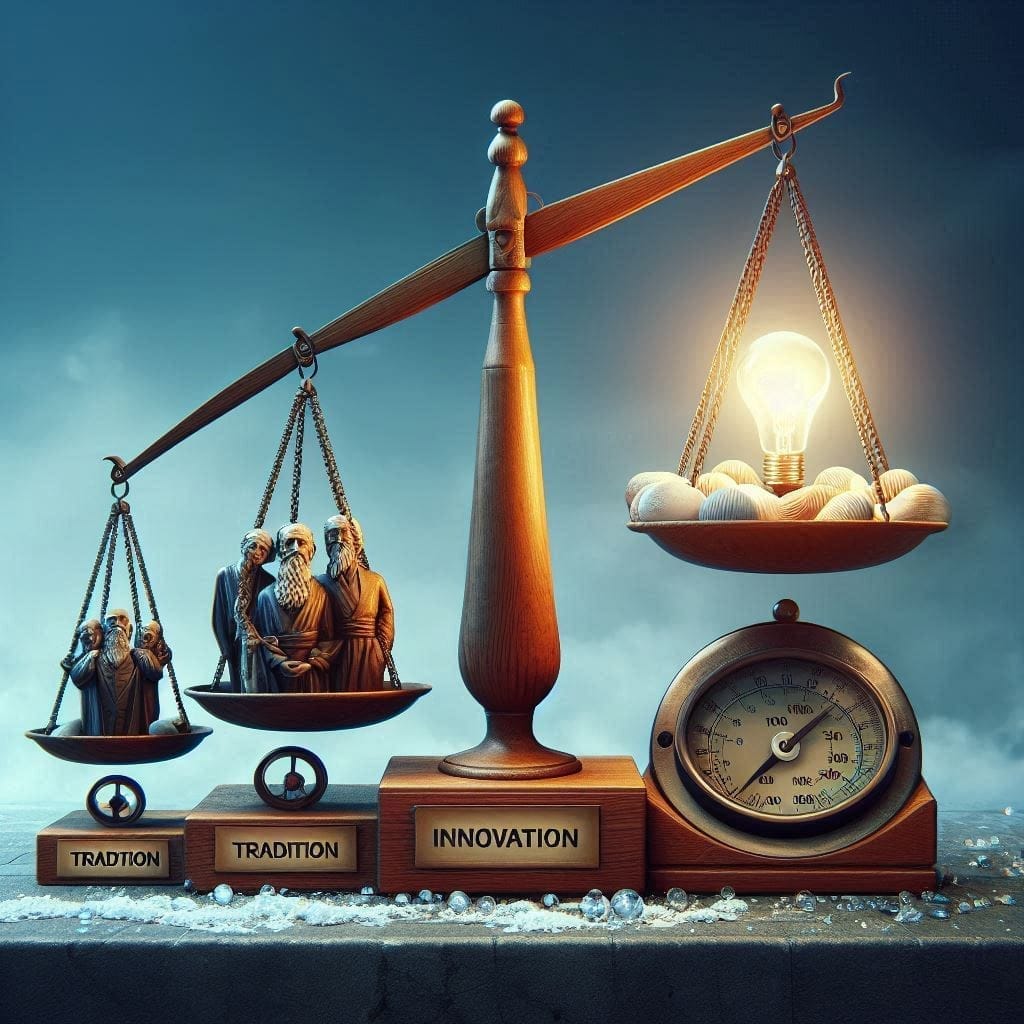
Tradition: A Double-Edged Sword
There's a famous saying:
“Tradition is the worst enemy of progress.”
And it’s true. (Dr. David Oyedepo)
Tradition can be beautiful, it connects us to our roots and gives us identity. But when tradition refuses to grow, it becomes a trap.
You can’t behave like a hen and expect to fly like an eagle.
If we cling to traditions that no longer serve us, we stop evolving. We stop imagining new possibilities. We stay grounded while the rest of the world soars.
Developed nations realized this early. They honored their good traditions — and fearlessly discarded the ones that held them back.
Religion: Meant to Build, Not to Blind
Religion was meant to connect us to the Creator and help us live meaningful, impactful lives. But somewhere along the way, many underdeveloped nations twisted religion into something else, a tool of fear, superstition, and inaction.
For example, in Nigeria and many other places, when someone threatens your life, the first reaction is often to pray and wait for God to intervene. But look around: even animals are given natural defenses to protect themselves.
In contrast, developed nations use laws, justice systems, and policies to protect their citizens.
They understand that faith is important, and so is action.
God didn’t design life so we would be passive victims — He gave us wisdom, laws, and the ability to build systems that safeguard life and dignity.
Policy: The Silent Sculptor of Societies
Every thriving nation you admire today — America, Canada, Finland, Singapore — became what they are through intentional policies.
Policies that protect the vulnerable.
Policies that reward hard work and innovation.
Policies that punish injustice.
Policies that inspire trust and order.
Meanwhile, underdeveloped nations often create policies that exist only on paper, or policies shaped by outdated mindsets that harm more than they help.
Policy is not just paperwork.
Policy is how a nation tells the world: This is who we are. This is what we stand for.
The Wake-Up Call for Underdeveloped Nations
Many of us were taught that developed countries became "evil" because they embraced modernity.
But if you look deeper, you'll realize:
They are the ones who honor the real principles of God — order, diligence, compassion, justice.
Between two people, who would you love more?
The one who rebuilds, protects, and creates a better world for everyone?
Or the one who sits, complains, and destroys?
The choice is obvious.
We must stop blaming others.
We must stop clinging to traditions and religious ideologies that no longer serve life, growth, and dignity.
It’s time to open our eyes and ask the harder questions:
How do we live beyond outdated traditions?
How do we rediscover the true purpose of religion?
How do we create policies that give birth to a new generation of thriving nations?
Conclusion: The Future is Built, Not Wished For
Tradition.
Religion.
Policy.
These are not random forces. They are the architects of nations.
The future we dream of will not happen by accident.
It will happen by decision.
If we want a different result, we must have the courage to manage these forces wisely, to honor what builds us and discard what binds us.
It’s time for underdeveloped nations to rise, and create the future our children deserve.
Call-to-Action:
Want to dive deeper into nation-building principles?
Explore Olamilekan Isreal’s books and resources on leadership and societal transformation.
Comment below: Which of the three forces (Tradition, Religion, or Policy) needs the most change in your nation?
Written by:
S. Olamilekan Isreal
SHARE


Trending
How a Collective Mindset Can Unite Nations, Societies, and Organizations
Using the PEEM Framework

About me

I’m Olamilekan Isreal, a thought leader, author, and speaker passionate about empowering individuals and organizations through strategies. Through this blog, I share actionable insights to help you unlock your potential and achieve transformative success.


Light of Israel: Empowering growth, inspiring purpose, and creating lasting impact in individuals and communities.
Services
Personal Development
Life Coaching
Business Consulting
Career Coaching
TLOI Initiative
Crisis Management
Useful Links
Copyright ©2024 The Light of Israel Services LTD


